The short version
- Use call reviews for learning. If a review feels like surveillance, reps will just find ways to avoid being recorded.
- Read the transcript first, then play the audio for the parts that count. Text alone misses tone and timing.
- Stick to a few basics: the opening, the questions asked, how the rep handled objections, what was promised, and the agreed next step.
- Pull a mix of reps and call outcomes. If you only listen to lost deals or your loudest rep, your view will be skewed.
- Let customers know when you are recording. Because laws depend on the country and situation, check the rules with your legal adviser.
Why review sales calls at all?
Sales managers rarely hear what actually happens on a call. When a rep reports back, you get a summary filtered through their memory and what they think you want to hear. A recording keeps the actual conversation intact. You hear how the customer explained their problem, how the rep replied, and the exact point where the call shifted.
The main reason to do this is to learn. Teams can spot the exact question that got a customer talking, an objection that keeps coming up, or a promise that nobody in operations knew about. Because a transcript turns an hour of audio into text you can read in a few minutes, it is easy to search for a product feature or a competitor's category and pull exact lines for a coaching session.
What about consent and the law?
Say at the beginning of the call that you are recording and explain why. Many teams handle this in one sentence. Recording laws depend on the country, who is recording, and the type of call. Rules are also changing in some places, such as Israel, where an amendment covering certain consumer transactions comes into play. This guide is not legal advice. Talk to your legal adviser about what applies to your calls and customers, and build those requirements into your process.
Think about what happens to the text after the call, too. Transcripts hold names, phone numbers, pricing, and sometimes payment or health information. Set clear rules on who at your company can read them, how long you store them, and how you delete them if a customer asks. You should also check where your software processes audio. KolWrite lists its setup on its security page: encrypted connections, AES-256 storage, servers in Germany, named AI providers, and no AI training on customer content.
What should you look for in a call?
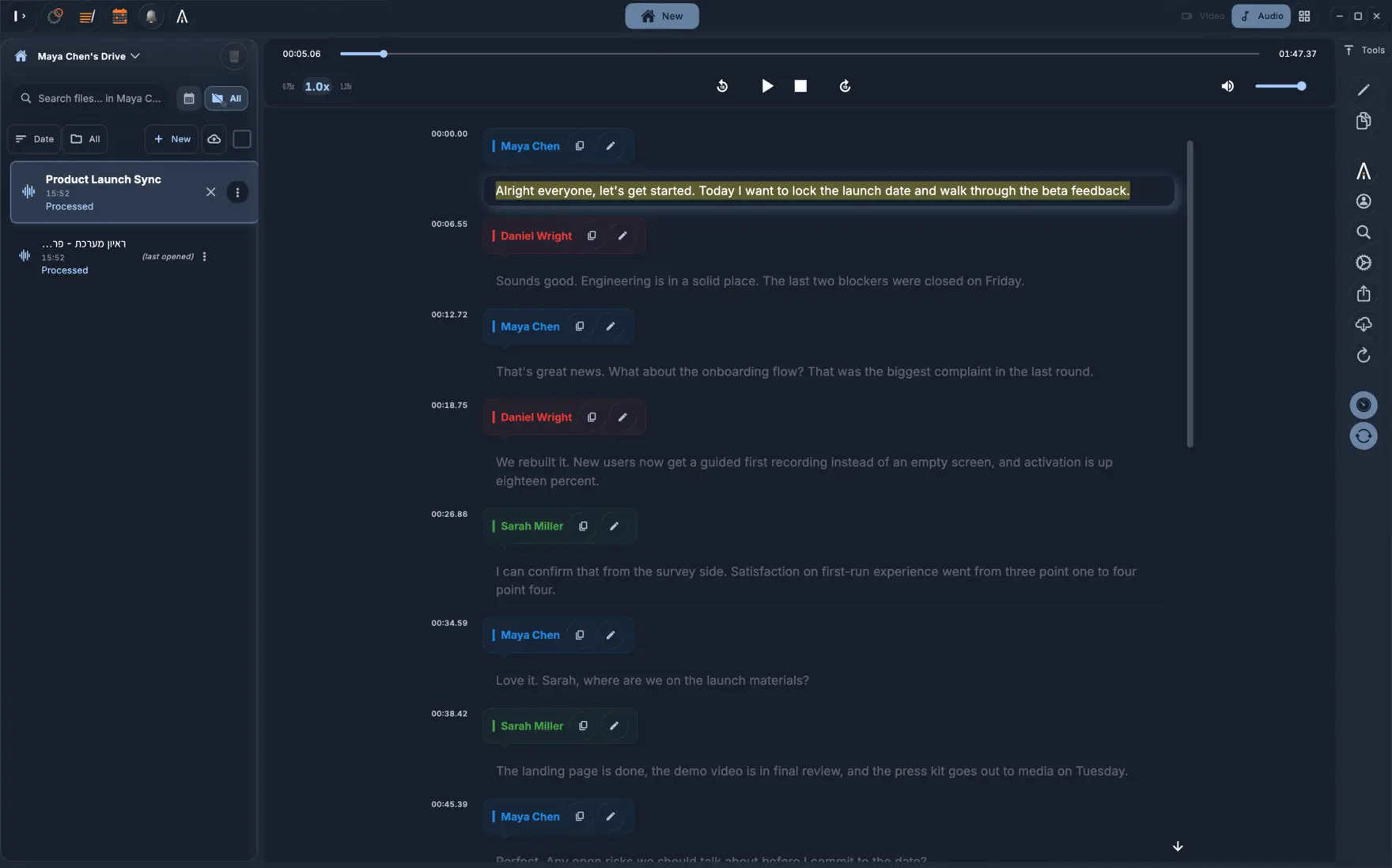
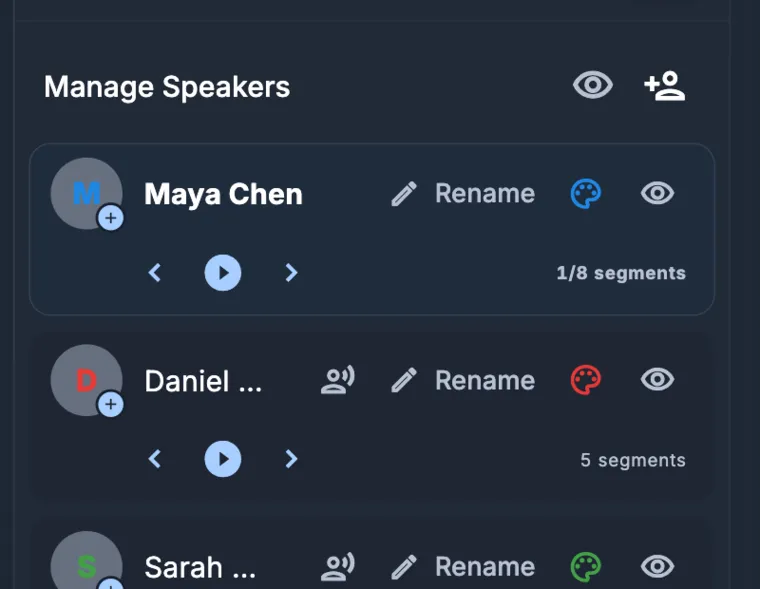
Use a short checklist so you judge every call the same way. Start with the opening. Did the rep set an agenda and find out why the customer was calling? Check the questions next to see if they were open-ended and whether the rep followed up on the answers. With speaker labels in the transcript, you can also eyeball the back-and-forth to see who talked more. If a rep talks for ten minutes straight without asking a question, you should listen closer.
Then check how the rep handled pushback. When the customer hesitated on price, timing, or a competing option, did the rep acknowledge it and ask questions, or just talk right past it? Look at what the rep promised, like a discount, a delivery date, or a feature, and ask whether that commitment was realistic. Finally, check the end of the call to see if they agreed on a clear next step, a date, and who owns it.
Point out what worked alongside what went wrong, since people tune out reviews that only list mistakes. Pull the strongest moment from each call so everyone can learn from it, and share it with the team.
How do you run a review that is quick and fair?
Upload the audio file, generate a transcript with speaker names and timestamps, and read the text before you press play. Flag the parts you actually need to hear and listen only to those clips. In KolWrite, you can search the text for a word like price or contract and click right to that spot in the recording. Done this way, you can usually get through a twenty-minute call in about ten minutes.
Be deliberate about which calls you pick. Grab a few from each rep, mixing won and lost deals as well as different kinds of customers. If you only pull bad calls, reps will dread the whole process. And if you only listen to your top seller, you ignore the people who need your help the most.
Stick to the same short scorecard every time, and back up your notes with timestamps and quotes instead of gut feelings. It is easy to mistake a rep's personal style for a flaw if you are working from a general impression. An exact quote from the transcript keeps the discussion grounded in what was actually said.
How do you turn a review into coaching?
Ask the rep to go first and tell you which moment they would handle differently. People are often tougher on themselves than a manager would be, and starting with their view grounds the conversation. Next, play one clip together, talk through what you heard, and pick a single adjustment to try on the next call. Stick to one change rather than five.
Do not tie coaching reviews to pay unless you have set clear rules ahead of time that everyone agreed to. If reps think every word they say is being scored for a ranking, they will play it safe for the mic instead of trying new things.
How reliable is a call transcript?
Phone lines have narrow bandwidth and background noise, and they often put both voices onto one audio channel. That makes it harder for software to tell speakers apart or catch unusual words. Automated transcripts will have mistakes and need checking, especially around prices, product or competitor names, and any numbers you want to quote. Never judge a rep on a line of text without listening to the audio first.
Think of the transcript as a way to find your place in the call, while the recording tells you what really happened. A pause, a laugh, or a sarcastic tone can flip the meaning of a sentence, and none of that shows up on the page.
Common questions
Do I have to tell customers that a sales call is recorded?
Telling them is good practice, and many places legally require you to notify people or get their explicit consent. Because the rules vary, check with your legal adviser on what applies to your calls.
How many calls should a manager review?
Listen to enough calls to see patterns, pulling a mix of reps and call outcomes. If you manage a small team, a few calls per rep each month is a practical place to start.
Can a transcript show how much each person spoke?
Yes. Speaker labels show the back-and-forth on the page so you can see who talked more. Just check that the labels are right first, since mix-ups in speaker assignment will throw off your read.
Is it fair to use call reviews in performance evaluations?
Only when everyone knows and agrees to the criteria ahead of time. Many teams keep coaching reviews separate from formal evaluations so reps can talk openly.
Does KolWrite join the call?
No. You record the call on your end and upload the audio file afterward. No bot joins your meeting, and KolWrite does not do live captions during a call.